
Story by Craig C. Downer [Photos by Susie Bell Photography]
For everyone who wrote an email, made a phone call, signed a petition, attended a rally or shared a photograph of the Salt River wild horses, August brought news worth celebrating. Arizona has paused scheduled removals and is moving forward with the independent genetic research advocates had been asking the state to undertake.
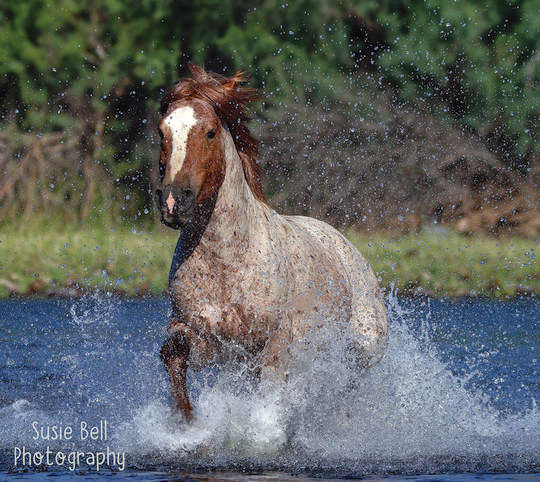
For the horses, that decision means more time in their home along the lower Salt River. For the people who have spent months worrying about their future, it offers something they have been waiting for: relief.
On August 18, Governor Katie Hobbs announced that removals for adoption to sanctuaries and refuges outside the management area would be suspended for 2026 and 2027. The pause allows a genetic viability study to proceed to assist future management decisions. The announcement also committed to independent review of the research before its release. (Governor’s announcement: tinyurl.com/5azvsk5s)
On August 27, the Arizona Board of Regents approved funding. Four days later, the Governor’s Office confirmed the $325,000 grant and the board’s unanimous support. Researchers at Northern Arizona University and the University of Arizona will conduct the study, with assistance from wild horse experts at the U.S. Geological Survey. (Grant announcement: tinyurl.com/bdfbutbt)
Those decisions deserve recognition. Governor Hobbs acted to give the herd breathing room, and the Regents committed public research resources to understanding its future. At a time when the debate had become increasingly contentious, Arizona made room for additional evidence before proceeding with scheduled removals.
But the greatest thanks belong to the people who have been there for these horses through every uncertainty, especially the dedicated volunteers of the Salt River Wild Horse Management Group.
Under the leadership of Simone Netherlands, the organization has carried the daily responsibility of watching over the herd. Its work includes monitoring individual horses, responding to emergencies, maintaining fences, educating visitors, and providing supplemental feed during droughts. The organization says its management programs are funded by public donations. (For information on SRWHMG programs, visit saltriverwildhorsemanagementgroup.org)
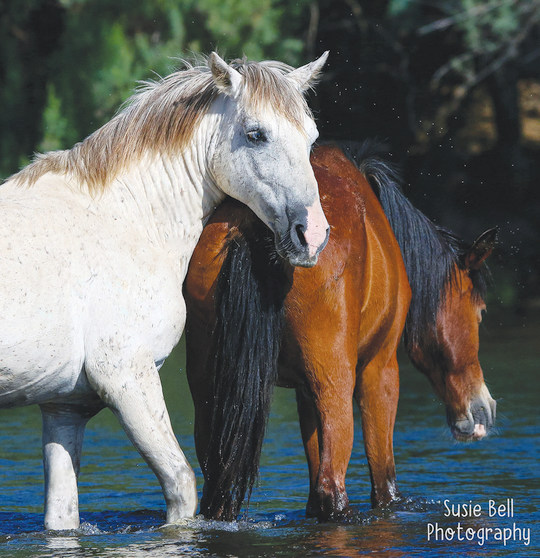
For those volunteers, the horses have names, histories and familiar family relationships. They have watched them grow, cared for them when needed and mourned their losses. The prospect of removing healthy horses from their home carries a weight that cannot be captured in a population chart.
The broader community deserves thanks, too. Friends of the Salt River Wild Horses and other supporters kept the issue in public view through letters, public comments, opinion pieces, petitions and direct appeals to elected officials. People gave their time, their voices and their determination to a cause that often seemed to require explaining all over again.
The request was reasonable: before Arizona deliberately removes more healthy horses, it should better understand the genetic consequences for the herd that remains.
The newly funded study will examine the horses’ genetic makeup, levels of inbreeding and population viability through non-invasive DNA sampling and genomic analysis, according to the Regents. That research can help replace assumptions about this particular herd with evidence drawn from the horses themselves.
It will not answer every question about managing the lower Salt River. Habitat conditions, water, forage and the needs of other wildlife remain important. Decisions about the horses must account for the environment they share. Recognizing those responsibilities also requires recognizing that genetic health deserves careful examination.
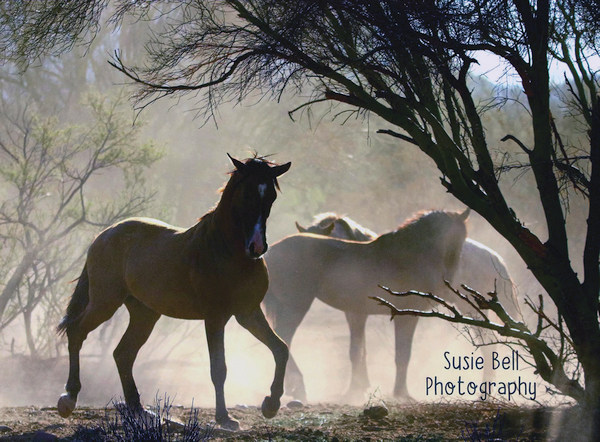
Advocates should welcome the research with the same openness they have asked of state officials. The value of an independent study rests on allowing researchers to follow the evidence, explain their methods and identify the limits of their conclusions. Its findings should inform decisions about both removals and future fertility management.
For Arizonans who love these horses, their value extends beyond the management debate. A glimpse of horses moving through the river can become the memory a visitor carries home. For a local family, watching them may be part of a treasured weekend tradition. For photographers and artists, they are a continuing source of inspiration.
That is why this victory deserves to be celebrated fully, even with work ahead. A reprieve is meaningful. Research funding is meaningful. The decision to pause and ask further questions represents progress that supporters worked hard to achieve.
The next responsibility is to make that progress last. The public should receive clear updates about the research and understandable explanations of how its findings will influence management. Volunteers need continued support. The organizations caring for and advocating for the horses still need donations, participation and people willing to speak up.
Gratitude and vigilance can exist together. We can thank the Governor and the Regents for these decisions while remaining engaged in what comes next. We can celebrate the horses staying in their home while continuing to work toward lasting protection.
The volunteers will keep watching over the herd. The researchers will carry out their study. And along the Salt River, the horses will continue their lives in the place so many people fought to keep them.
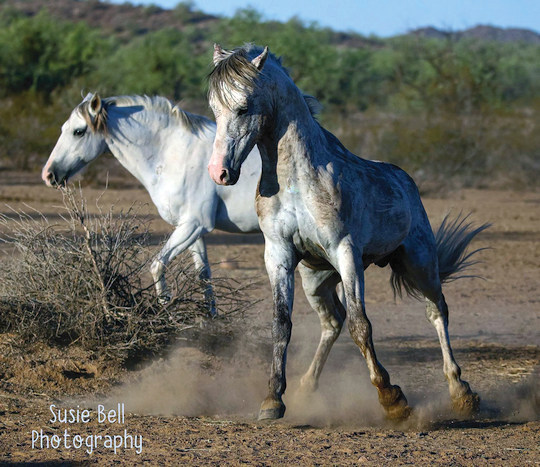
We should respect these horses and the natural ecosystem they inhabit, and allow sound science to guide decisions about their future. Rather than impose arbitrary population limits, we should also consider what compromises people can make to allow the horses to continue living on the land in a healthy, sustainable population.
I believe a closer examination may show that the Salt River horses play an important ecological role in the river corridor and surrounding desert, much as their ancestors did for generations. That possibility deserves further scientific study and could complement the genetic research now underway.
Craig C. Downer is a wildlife ecologist, author and longtime advocate for wild horses and burros. He has conducted ecological studies of the Salt River wild horse herd and its habitat and has worked for decades to promote fair, equitable and humane conservation plans for wild horse and burro populations based on sound science.
For those interested in his study focusing on the ecological relations of the Salt River wild horses, here is a brief review: tinyurl.com/9y62zd8u. Please contact him for further information at ccdowner@aol.com.
