
By Loree M. Walden
Winter in Northern Arizona can be beautiful, but it can also be incredibly harsh—especially for our animals.
When we step outside on a cold morning, we instinctively bundle up. We grab a coat, a hat, scarf and gloves, and protect ourselves from the elements. Our pets don’t have that ability. They rely on us to make those choices for them.
Our animals are family. They trust us completely. They can’t tell us they’re cold, uncomfortable, or scared—so it’s up to us to pay attention and look for the signs.
Here are a few important ways to help keep your pets safe, warm, and comfortable during the winter months.
Limit outdoor time and watch for signs of discomfort
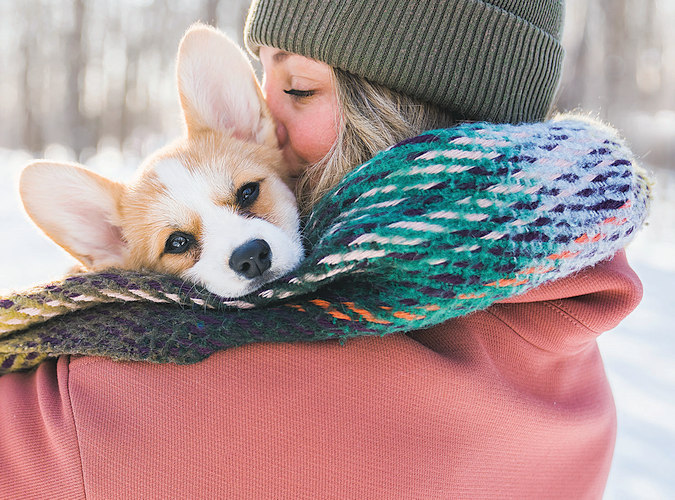
Even pets with thicker coats (and those who are made for colder weather) can struggle when temperatures drop. Shivering, lifting paws, slowing down on walks, whining, or hesitation to go outside are all signs your pet may be too cold.
Shorter potty breaks and walks are much safer than extended time outdoors. Also, even if you think that going back and forth (with more but shorter walks) between the cold outside and the dry heat inside our homes will make it better, it doesn’t. It can lead to itchy, flaky skin.
Using a humidifier can help, but towel-drying or wiping them down with a dry shampoo/conditioner when you bring your pet inside—especially between their feet and their toes—can help prevent irritation.
Snow, ice, salt, and de-icing chemicals can build up between paw pads and cause pain if not removed. Plus, if they start licking their paws or fur after coming in, and they’ve come into contact with these chemicals, it means they are ingesting it directly in to their bodies.
Cold-weather breeds still need protection
Yes, some breeds love the snow, but that doesn’t mean they should be left outside. Every pet deserves a warm, dry, safe place to come inside. Cold tolerance does not mean they’re immune to frostbite, hypothermia, or exhaustion.
Keep their coat—and add a little style
Never shave your dog down to the skin in winter. A longer coat helps keep body heat in. Long-haired dogs may benefit from a light trim to prevent ice balls and chemical buildup. Short-haired dogs, however, usually need extra help staying warm.
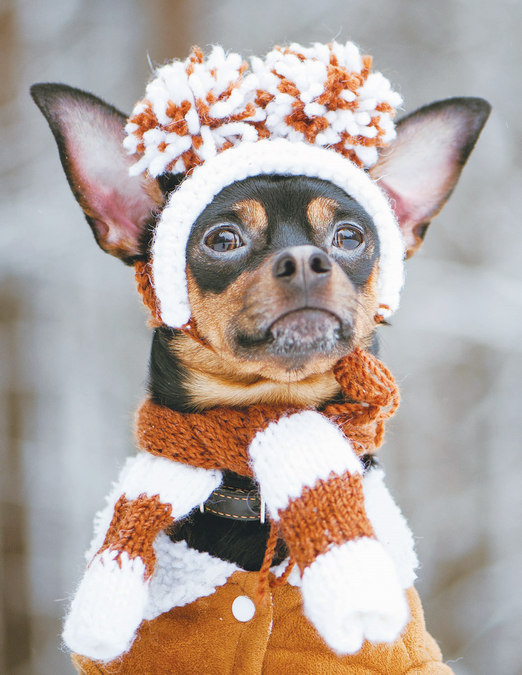
If you’re reaching for a jacket before heading outside, your dog probably needs one too. A properly fitting coat or sweater can make a world of difference—and honestly, it can be fun. Just ask Cassidy Roo. She has a closet full of winter coats, and she rocks every single one of them.
A quick stop at your local pet store can keep your dog warm and looking adorable.
Watch out for antifreeze and winter chemicals
Antifreeze is extremely toxic and deadly to pets, even in small amounts. Its sweet taste can attract animals. Always clean up spills immediately and be mindful around driveways, garages, and parking lots.
If you suspect your pet has ingested antifreeze, contact your veterinarian immediately. This is an emergency.
Fuel their bodies
Pets burn extra calories trying to stay warm. Talk with your veterinarian about whether your pet may need a little more food during the winter months to help maintain body heat and energy.
Never leave your pet in a cold car

Cars don’t protect pets from cold weather. In fact, they can quickly turn into freezers—sometimes within minutes—trapping cold air and putting pets at serious risk. If it’s too cold for you to sit in a parked car, it’s too cold for your pet.
Predators are a very real concern, so bring your pet inside
Living near the National Forest means we share our space with wildlife. Coyotes, bobcats, mountain lions and other predators are always looking for food, especially during winter. Leaving pets outside, particularly overnight, puts them in danger. Bringing them inside protects them from the cold and from becoming prey.
Cats need extra care, too
Cats are especially vulnerable in winter. Outdoor cats often look for warmth in dangerous places, such as inside car engines or under hoods. Always tap on your hood and check around your vehicle before starting it on cold mornings. Better yet, bring cats inside whenever possible—where they belong.
Taking a few extra minutes and paying attention to what our pets are telling us, without words, can prevent injury, illness, and heartbreak.
They give us unconditional love every single day. They depend on us. They belong inside. They deserve to be warm, safe, and loved.
