
By Njeri Dean
When you get a pet, you know you’re all in. From buying the supplies you need for them, spending time with them, and sharing a home with them, you know that your pet is a full-time commitment.
Pets are part of the family and know when they are loved and cared for. Obtaining a pet includes many benefits like improved health and unconditional love.
Sometimes we just need to let go of an animal. It’s nothing that you did or didn’t do. It’s just a natural part of life that any living thing succumbs to.
Some people don’t realize it, but they have plenty of experience letting go. For instance, if you were ever at a family or friend’s side while they were passing away, you probably have experience saying goodbye and cherishing the remaining moments you had together.
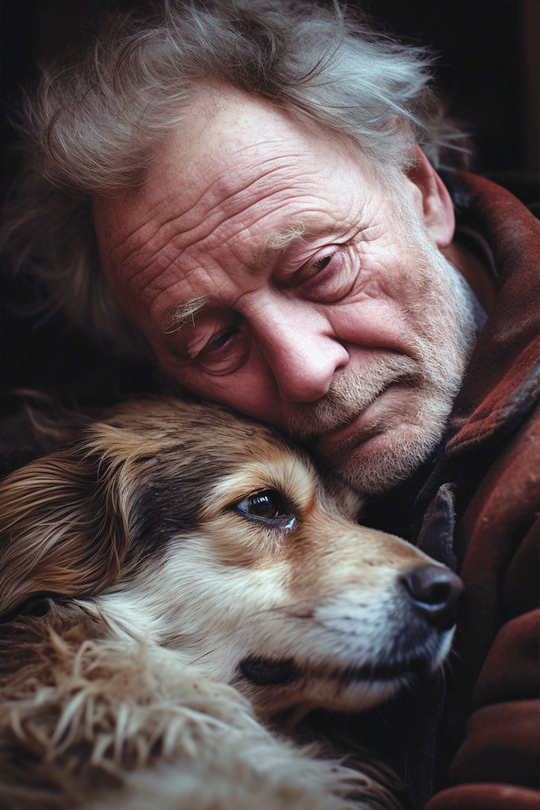
Another life experience of letting go is when a parent or guardian realizes that their child is an adult, and they want to leave the nest to live their life. Letting go could also be interpreted as relinquishing material items so that a person can move on from the past and start a new chapter.
Most people with the experience of letting go will be ready to see their pet off to a better place. People who haven’t had much experience letting go will have a particularly hard time moving on once their pet has perished.
It’s difficult to say goodbye to an animal that’s been not only a companion to you, but to the rest of the family. Knowing that your pet is ready to go can be sad, but making your pet prolong their life when you know they’re suffering is cruel and downright wrong.
To some people’s credit, they may not know their animal is suffering and assume that all is well. But there are signs that your constant companion is ready to be put down.
Warning signs that your animal needs to let go could range from fatigue and old age, loss of appetite, and illness. It’s a fact of life. Everybody, no matter who they are, gets older.
Once you hit old age, your body can’t do what it once did when it was younger. Less stamina, aching joints, and opting out of activities that exert a lot of physical activity are normal for anybody experiencing old age. Animals are no exception.
You might have brought home a curious and energetic puppy in the beginning of your pet ownership, but fast forward nine or ten years down the road, and you’re basically dealing with an elderly dog that can’t keep up and relies more on you to keep their head above water.
Dogs that are dealing with old age and fatigue are less likely to interact with their human companions and not act like themselves at all.
Old age in a dog can also affect their sleeping habits. The inability to sleep or unstable prolonged sleep patterns can indicate that your dog needs to be put down.
Just like humans, animals need to feed their body to survive. Taking in nutrients makes animals healthy, active, and alert. An animal not eating could indicate that they are depressed or are suffering from an illness.
Animals are susceptible to illness throughout their lifetime. Some illnesses that could make an animal not eat or suppress their appetite would be infection, disease, and cancer.
Sometimes antibiotics and regular vet visits contribute to the recovery of an animal. It all depends on how fast the illness is treated, and how you remedy the illness as well.
Some people don’t know this, but animals can feel depressed to the point where they lose interest in what makes them happy. Feelings of depression can lead to an animal harming themselves and eventually lead to death.
What causes an animal to be depressed? There are many factors. One factor may be the loss of a friend, owner, or companion. Another factor may be moving to a different environment that is unfamiliar and stressful to the animal.
The best way to combat depression in animals is to notice changes in their behavior, and to make time with your animal on a daily basis so your animal doesn’t feel alone.
The inevitable will happen, and when that time comes you’ll know that you did everything for your dog when it comes to old age and fatigue. A dog reaching its lifespan and beyond is a good sign that you loved and cared for your pet tremendously.
Letting go is a part of life. Although we don’t want our beloved animals to go, sometimes moving on from them is the best medicine and a way to start a new chapter.
